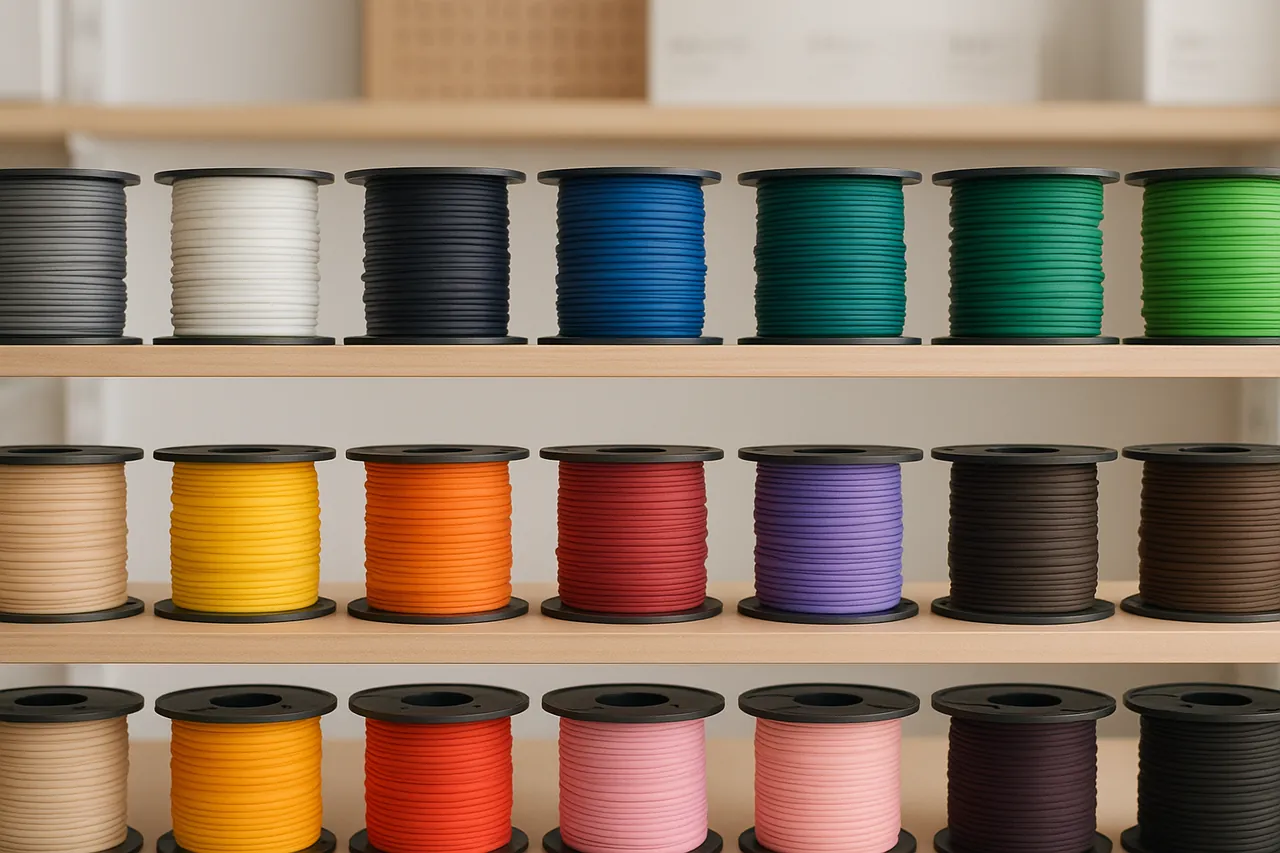
FDM materials (filament)
| Material | Strong at | Weak at | Typical uses |
|---|---|---|---|
| PLA | Detail, colours, price, stiffness | Heat (>50 °C), direct sun | Decor, figures, gifts, prototypes |
| PETG | Strength, slight flex, water | Very fine detail | Spares, outdoor parts, food contact |
| ABS | Heat (up to 90 °C), machining | Print fumes, warping | Technical parts, automotive |
| ASA | UV and outdoors: no yellowing | Slightly pricier | Signs, outdoor parts, marine |
| TPU | Rubber-flexible, unbreakable | Precision on large parts | Gaskets, cases, protectors, wheels |
| Nylon | Wear, friction, strength | Absorbs moisture in storage | Gears, hinges, high-load clips |
Resin (SLA)
For parts where detail rules: miniatures, jewellery, dental models, fine-fit prototypes. 0.05 mm layers — surfaces come out smooth, with no visible print lines.
| Resin | Characteristic |
|---|---|
| Standard | Maximum detail, ideal for figures and models |
| Tough (ABS-like) | Detail + impact resistance |
| Flexible | Soft, high-precision parts |
What about sun, salt and calima?
We live on the islands and so do our parts. For Canarian outdoors (facades, terraces, marine) we recommend ASA or PETG with UV-sealed finishes. Outdoor sign parts also carry IP65-rated LED electronics.
Not sure what you need? Just tell us where the part will live (sun, water, load) and we’ll pick the material for you.