Which sign survives the coastal climate in the Canary Islands?
On the seafront, salt, sun and humidity wreck signs in months. Which materials actually last (ASA, PETG, IP65 LEDs) and how to choose a sign that survives for years.
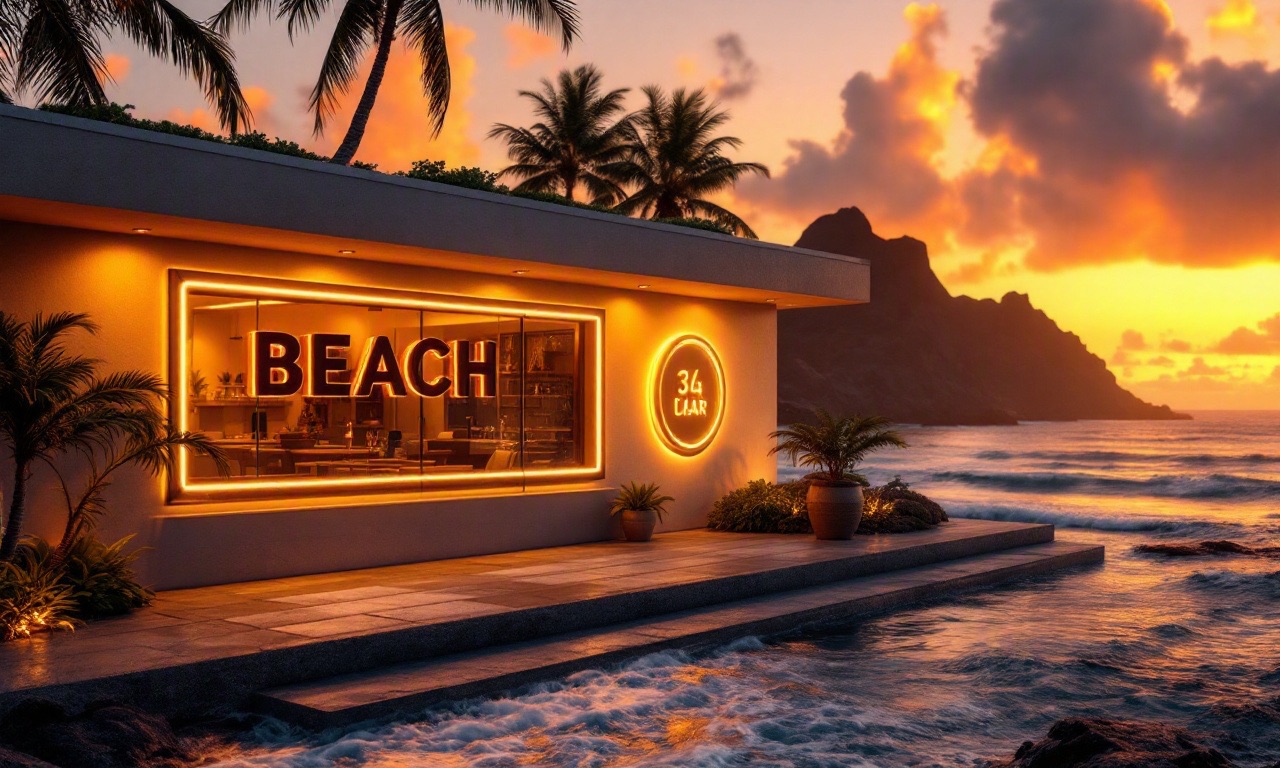
You mount a brand-new sign on your beach bar in Los Cristianos and eight months later it no longer looks the same: the paint on the aluminium is chipping, there are rust spots on the screws, and a couple of LEDs have stopped lighting up. On the Canary seafront that isn’t bad luck — it’s physics. Let’s look at what destroys a sign next to the sea and which materials genuinely hold up.
What the coastal climate does to a sign
The sea air of the Islands is one of the harshest environments there is for signage. Four enemies act at once:
| Enemy | What it damages |
|---|---|
| Salinity (sea spray) | Corrodes metals, pits aluminium, rusts screws and anchors |
| UV radiation | Fades paints and vinyls, yellows and embrittles common plastics |
| Humidity and condensation | Gets into the LED electronics and causes failures and shorts |
| Constant wind | Fatigues the fixings and tears off poorly mounted signs |
The key point is that these don’t act separately: salt sticks, humidity activates it, and the sun accelerates everything. A sign designed for an indoor unit in the town centre won’t last the same 50 metres from the water.
Why painted aluminium struggles on the front line
Traditional metal signage looks like the “tough” option, but on the coast it has a weak spot: the paint. As soon as a knock, a screw or a cut leaves the metal exposed, salt starts working under the paint layer and rust spreads from the inside out. Welded aluminium channel letters add another risk: the weld seams are the first places corrosion appears.
It’s not that aluminium is useless — it’s that on the front line it demands maintenance and a treatment that pushes the price up.
Materials that do survive the coast
This is where 3D-printed signs with LEDs work in your favour. The letter isn’t painted on the outside: the colour is in the material itself, so a scratch leaves nothing “exposed”. These are the materials we use for outdoor work in the Canaries:
| Material | Why it survives the coast |
|---|---|
| ASA | Engineered for the outdoors: resists UV without yellowing or turning brittle. The standard for sun-facing façades |
| PETG | Very tolerant of humidity and temperature swings, good impact resistance |
| Sealed IP65 LED electronics | Protected against dust and water jets: rain and salt spray never reach the circuit |
| Stainless / nylon fixings | Won’t rust even metres from the sea |
Technical plastic doesn’t corrode in salt, and because it’s hollow and light it reduces the load on the anchors — which matters where the wind is strong.
Four keys to a sign that lasts by the sea
- Insist on ASA, not plain ABS or PLA for anything in the sun. Common ABS and PLA degrade under UV; ASA is built to take it.
- IP65 electronics as a minimum. That’s the difference between the first rain on a southerly wind killing half your sign or not.
- Stainless anchors and screws. The body can be eternal, but if the screw rusts, the sign ends up on the ground.
- A repairable design. With separately printed letters, if one gets damaged you reprint just that one, not the whole sign. On the coast, cheap repairs are everything.
Ask for a sign built for your exact spot
Tell us where the sign goes — seafront, sun-facing façade, inside a shopping centre — and we build it with the right material for that spot, not a generic one. Message us via the contact page or WhatsApp with your logo and dimensions. More about the service on LED signs, and if you want figures, see how much an LED sign costs in Tenerife.